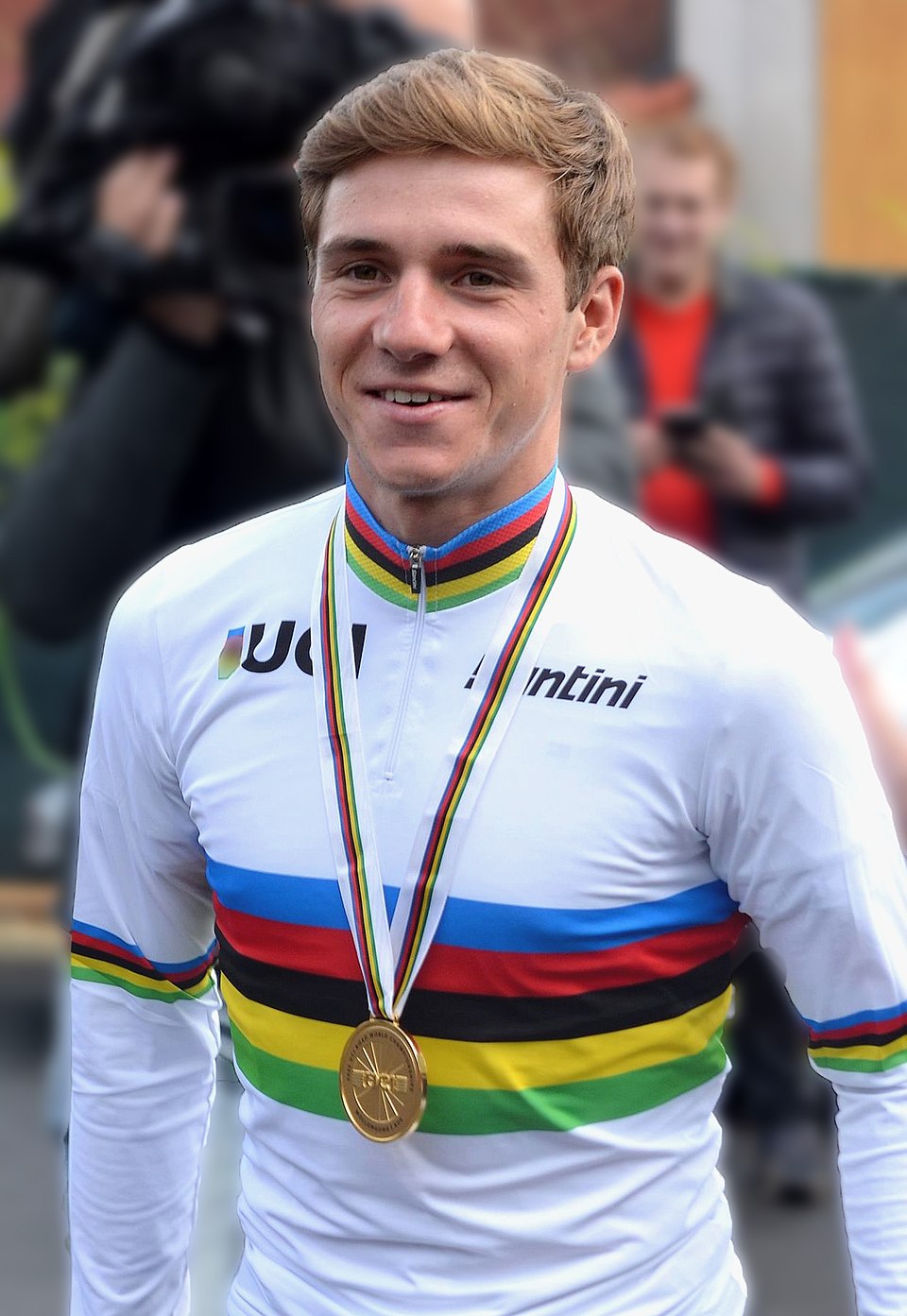
Remco Evenepoel's Road to Recovery After Postal Car Collision
The world of professional cycling is a high-stakes arena, where athletes push the limits of human endurance, often training on public roads amidst everyday traffic. It's a testament to their dedication, but also a constant reminder of the inherent risks. Few incidents highlight this delicate balance more dramatically than the one involving Belgian cycling sensation, Remco Evenepoel. A rising star, often hailed as a future Grand Tour contender and a bona fide champion, Evenepoel's promising career faced an unexpected and terrifying detour when he was involved in a collision with a postal vehicle during a routine training ride.
The incident, which generated significant media attention and concern among fans worldwide, underscored the vulnerability of even the most elite athletes. For many, the first glimpse of the severity came through powerful images circulating online – a stark photo of his bicycle, shockingly cut in two. This article delves into the details of the accident, the profound impact of his injuries, and the arduous road to recovery that a true champion must navigate, while also emphasizing critical lessons in road safety. For those searching for specifics on the incident, the combination of "photo voiture champion" became synonymous with the alarming news.
The Fateful Collision: A Champion's Training Interrupted
On a seemingly ordinary Tuesday, December 3rd, Remco Evenepoel, known for his aggressive riding style and immense talent, was out on a training ride near Oetingen in the Flemish Region of Belgium. What began as a standard session for the young professional quickly turned into a life-threatening ordeal. Evenepoel reportedly collided with the opening door of a Belgian Post (Bpost) vehicle. This seemingly innocuous act—a car door opening at the wrong moment—can have catastrophic consequences, especially for a cyclist traveling at speed.
Initial reports were grim, describing the cyclist's bike as having been "cut in two," a visual detail that immediately conveyed the violence of the impact. The sight of a high-performance racing machine mangled beyond recognition, coupled with the immediate concern for the rider, spurred a flurry of searches for Champion Remco Evenepoel's post car crash: shocking images. These compelling photos and the involvement of a postal voiture (vehicle) underscored the severe impact on a cycling champion, resonating deeply with the main keyword 'photo voiture champion' as fans sought to understand the extent of the calamity.
The swift arrival of emergency services and police highlighted the gravity of the situation. The post office driver, visibly affected by the incident, remained on the scene and cooperated fully with the authorities. Bpost, in a subsequent statement, acknowledged the incident, expressing deep concern for Evenepoel and confirming their full collaboration with the ongoing investigation. Their public Postal Car Incident: Champion Cyclist's Severe Injuries & Bpost Reaction reflected the seriousness of the event and the impact it had on all involved.
Understanding the Severity: A Litany of Injuries and Their Impact
Following the collision, initial medical assessments suggested potential fractures to a shoulder and wrist. However, as the full extent of the damage became clear after further examination and surgery, the grim reality of Evenepoel's injuries emerged. What doctors discovered was a devastating list of trauma that would challenge the recovery capabilities of even an athlete of his caliber:
- Fractured Rib: A common injury in high-impact trauma, a broken rib can cause immense pain, restrict breathing, and impact core stability – crucial for a cyclist.
- Fractured Shoulder Blade (Scapula): The shoulder blade is a critical bone for arm movement and stability. A fracture here severely limits upper body function, making it impossible to hold handlebars or generate power.
- Fractured Hand: Hand fractures are particularly detrimental for cyclists, affecting grip, braking, steering, and overall bike control.
- Contusions to Lungs: Lung contusions, essentially bruising of the lung tissue, can impair respiratory function, leading to shortness of breath and significantly impacting aerobic capacity. For an endurance athlete, this is a major concern.
- Dislocation of Right Clavicle: A dislocated collarbone is painful and debilitating. In Evenepoel's case, it was further complicated by the fact that it had "caused the tearing of all surrounding ligaments." This implies significant instability and a more complex, protracted healing process than a simple dislocation.
Each of these injuries individually presents a significant challenge for recovery, but their combined effect on a professional cyclist is profound. The ability to maintain an aerodynamic position, absorb road shock, steer, brake, and generate power from the core and upper body are all compromised. Surgery was performed swiftly, a critical step in stabilizing the fractures and beginning the complex healing process. As Evenepoel himself bravely stated, "The comeback starts now." This bold declaration, however, belies the immense physical and mental hurdles he would face.
The Recovery Journey: From Operating Table to Open Road
The path to recovery for an athlete with such extensive injuries is not linear; it's a meticulously planned, multi-stage process demanding immense discipline, patience, and mental fortitude. Evenepoel's journey would undoubtedly begin with an initial period of absolute rest, allowing the bones and soft tissues to begin healing. This phase is often the most frustrating for high-energy athletes, as they are confined and unable to engage in the activities they love.
Following this, a structured regimen of physiotherapy would commence. This would involve:
- Pain Management: Ensuring the athlete is comfortable enough to participate in rehabilitation.
- Mobility Exercises: Gently restoring range of motion in the shoulder, hand, and rib cage without compromising healing.
- Strength Training: Rebuilding strength in the surrounding muscles to support the healing bones and ligaments. This would be crucial for his clavicle and shoulder blade, which require robust muscular support.
- Lung Rehabilitation: Specialized breathing exercises and gradual cardiovascular work to address the lung contusions and restore full respiratory capacity.
- Gradual Return to Activity: Progressing from passive exercises to active movements, eventually incorporating light training on an indoor trainer before cautiously transitioning back to the open road.
The mental aspect of recovery is just as vital as the physical. For a champion like Evenepoel, who thrives on competition and pushing boundaries, facing a forced layoff due to injury can be incredibly challenging. Dealing with frustration, doubt, and the pressure to return to elite form requires a strong support system from his team, medical staff, and family. The typical timeline for such injuries, especially with torn ligaments and multiple fractures, can range from several weeks to many months before a full, competitive return is possible. For Evenepoel, it meant missing significant early-season races and recalibrating his goals, but his resilience has always been a hallmark of his character.
Road Safety for Cyclists: Lessons from a Champion's Ordeal
Remco Evenepoel's accident serves as a stark reminder of the ever-present dangers faced by cyclists on public roads, irrespective of their skill level or experience. While an athlete of Evenepoel's caliber possesses exceptional bike handling skills and road awareness, some situations are simply unavoidable. This incident highlights critical lessons for both cyclists and drivers:
For Drivers:
- The "Dutch Reach": A simple yet effective technique, this involves opening the car door with the hand furthest from the door. This forces the driver to twist their body, naturally prompting them to look over their shoulder for approaching cyclists or pedestrians before opening the door.
- Check Your Mirrors: Before exiting a parked vehicle, always perform a thorough check of side and rear-view mirrors.
- Be Patient and Give Space: Remember that cyclists are road users too. Give them ample space when passing and be patient if they are temporarily slowing traffic.
- Expect the Unexpected: Cyclists can appear quickly, especially in urban environments. Drive defensively and anticipate their presence.
For Cyclists:
- Visibility is Key: Wear bright clothing, especially in low light conditions. Use powerful front and rear lights, even during the day.
- Maintain Situational Awareness: Constantly scan your surroundings – not just the road ahead, but also parked cars, potential turning vehicles, and what's behind you.
- Ride Defensively: Assume drivers may not see you. Make eye contact where possible and be prepared to react.
- Maintain a Safe Distance: When passing parked cars, give yourself enough room to react if a door suddenly opens.
The Bpost reaction to the incident, emphasizing cooperation with the investigation and concern for Evenepoel, also underscores the broader corporate responsibility when their vehicles are involved in such accidents. Road safety is a shared responsibility, and incidents like Evenepoel's must spur continuous efforts to improve conditions for all road users, especially vulnerable ones like cyclists.
Conclusion
Remco Evenepoel's collision with a postal car was a terrifying moment that could have ended his career, or worse. The severe injuries sustained by the young champion highlighted the perilous nature of professional cycling training and the critical importance of road safety for everyone. His journey back to competitive racing is a testament to his incredible resilience, the dedication of his medical team, and the unwavering support of his fans. While the shocking images of his destroyed bike and the detailed account of his injuries served as a grim reminder of the incident's severity, they also underscore the profound strength required to overcome such adversity. As he steadily progresses on his road to full recovery, Evenepoel's story continues to inspire, reminding us that true champions are defined not just by their victories, but by their ability to rise again after the most formidable setbacks. Let us all take heed of the lessons learned from this incident, fostering a culture of mutual respect and vigilance on our roads to prevent similar tragedies.